1960–1966 Chevy C10 Truck & GMC Truck Buyer’s Guide
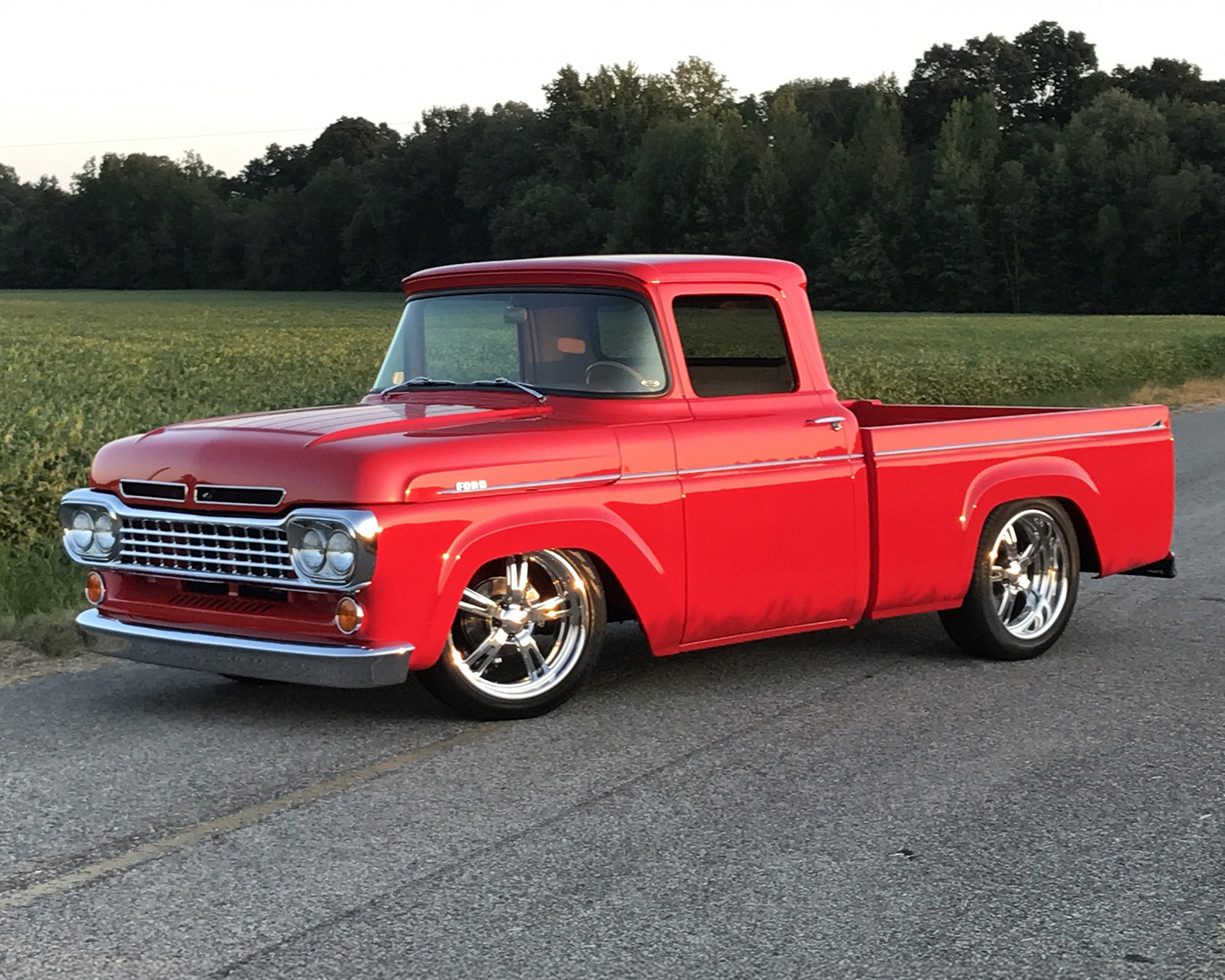
The 1960–1966 Chevy C10 and GMC pickup trucks are among the most desirable classic trucks on the market today. Known for their bold styling, solid engineering, and endless customization potential, these trucks remain favorites for collectors, restorers, and restomod builders alike. Whether you’re looking for a weekend cruiser, a show-quality build, or a solid project truck, this buyer’s guide will help you make an informed decision.
Overview of 1960–1966 Chevy & GMC Trucks
These trucks belong to Chevrolet’s C/K second generation, with GMC models sharing the same body and chassis but featuring unique trim and badging. The “C” designates two-wheel drive, while “K” refers to four-wheel drive models (introduced later in the generation).
The 1960–1966 models are especially popular due to their clean body lines, wraparound windshield, and wide engine bay—perfect for modern drivetrain swaps or classic V8 power.
Engine Options to Look For
Original engine choices varied by year and configuration, including:
-
Inline-6 engines (235ci and 292ci)
-
Small-block V8s (283ci, 327ci)
-
GMC-exclusive V6 engines (305, 351, and 478 V6)
While originality matters to collectors, many buyers prioritize condition over matching numbers. Swapped or upgraded engines are common and often increase drivability. When inspecting a truck, check for oil leaks, compression consistency, and cooling system condition.
Body & Rust Inspection (Critical Step)
Rust is the number-one issue with 1960–1966 Chevy and GMC trucks. Pay close attention to:
-
Cab corners
-
Floor pans
-
Rocker panels
-
Lower fenders
-
Inner and outer bed sides
-
Frame rails and suspension mounts
Replacement panels are widely available, but extensive rust repair can quickly increase restoration costs. A solid cab and straight frame should always be your top priority.
Suspension & Steering Considerations
From the factory, these trucks used a straight axle or early independent front suspension depending on year and configuration. While functional, stock suspension setups can feel outdated by modern standards.
Many buyers choose upgraded suspension components such as:
-
Disc brake conversions
-
Power steering upgrades
-
Lowering kits or air suspension
-
Modern sway bars and shocks
Inspect for worn bushings, excessive steering play, and uneven tire wear.
Interior Condition & Replacement Parts
Interior condition varies widely depending on how the truck was stored and used. Common wear points include seat frames, dash pads, door panels, and wiring.
The good news? Interior restoration is straightforward thanks to strong aftermarket support. Dash replacements, door panels, seat upgrades, and complete interior kits are readily available, making it easy to refresh the cabin while retaining a classic look.
Chevy vs. GMC: What’s the Difference?
Mechanically, Chevy and GMC trucks from 1960–1966 are nearly identical. The main differences are:
-
GMC-exclusive engines in some models
-
Unique grilles and trim
-
GMC branding and emblems
From a buyer’s standpoint, Chevy models tend to command slightly higher resale values due to brand recognition, while GMC trucks can offer better value for similar condition.
Restoration vs. Restomod Builds
Before buying, decide how you plan to use the truck:
-
Restoration: Prioritize originality and correct components.
-
Restomod: Focus on body condition and frame integrity over original drivetrain.
-
Daily Driver: Look for modern upgrades like disc brakes, power steering, and updated wiring.
Clear goals will help you avoid overpaying for features you don’t need.
Market Value & Pricing Expectations
Prices vary based on condition, originality, and modifications:
-
Project trucks: Lower entry cost but higher build expense
-
Driver-quality trucks: Best balance of price and usability
-
Fully restored or restomod builds: Highest upfront cost but minimal work required
Well-maintained examples continue to appreciate, making these trucks a solid investment for classic vehicle enthusiasts.
Final Buying Tips
-
Always inspect in person when possible
-
Verify VIN and title documentation
-
Budget for hidden repairs
-
Prioritize rust-free bodies and solid frames
-
Don’t underestimate aftermarket support—it’s a huge advantage
Conclusion
The 1960–1966 Chevy C10 and GMC trucks offer timeless design, mechanical simplicity, and unmatched customization potential. With proper inspection and clear build goals, these classic pickups can be incredibly rewarding to own, restore, and drive. Whether you’re chasing nostalgia or building a modern classic, these trucks remain icons of American automotive history.